
Bringing you the latest PFAS news and reports
Your latest summary of recent news articles and reports.
Widely Used
Per- and polyfluoroalkyl substances (PFAS) are a group of manufactured chemicals that have been widely used since the 1940s because of their useful properties, such as thermal stability and their non-stick characteristics.
They Accumulate
PFOA and PFOS have been replaced with other PFAS in recent years. However, a common characteristic of concern for all PFAS is that they accumulate in people, animals, and the environment over time.
There are Thousands
There are now thousands of PFAS, some of which have been more widely used and studied. Perfluorooctanoic acid (PFOA) and perfluorooctane sulfonate (PFOS) are two of the most widely studied.


Health Implications
There are well-studied direct links between exposure to “PFAS forever chemicals” as they are commonly known - and a broad range of serious health implications, including but not limited to hormonal disruption, cancers, birth defects, and genetic mutations.


The PFAS Challange

This is not just an industrial issue, PFAS is found everywhere






Industrial
Commercial
Domestic




Working to align with the United Nations Sustainability Goals (SDG) 6 and 12


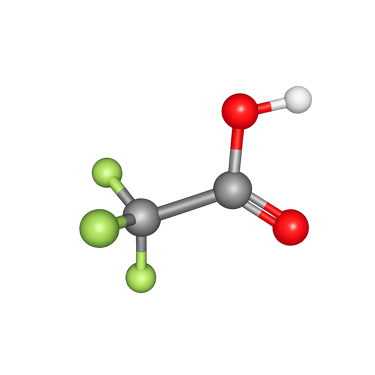
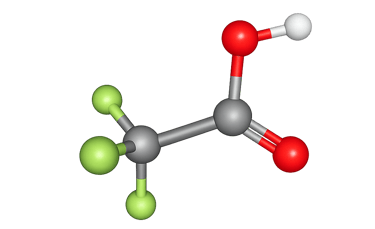
Ultra-Short Chain
Definition Classed as C3 and below

Water Soluble?
Highly water soluble compounds that can break down into TFA in the environment.

Toxicity
Generally less toxic than longer-chain PFAS.

Common Examples
i) Refrigerants - R- 134a and R 410A;
ii) Precision cleaning - trans-1-chloro-3,3, 3-trifluoropropene.
Different Types of PFAS
Short Chain
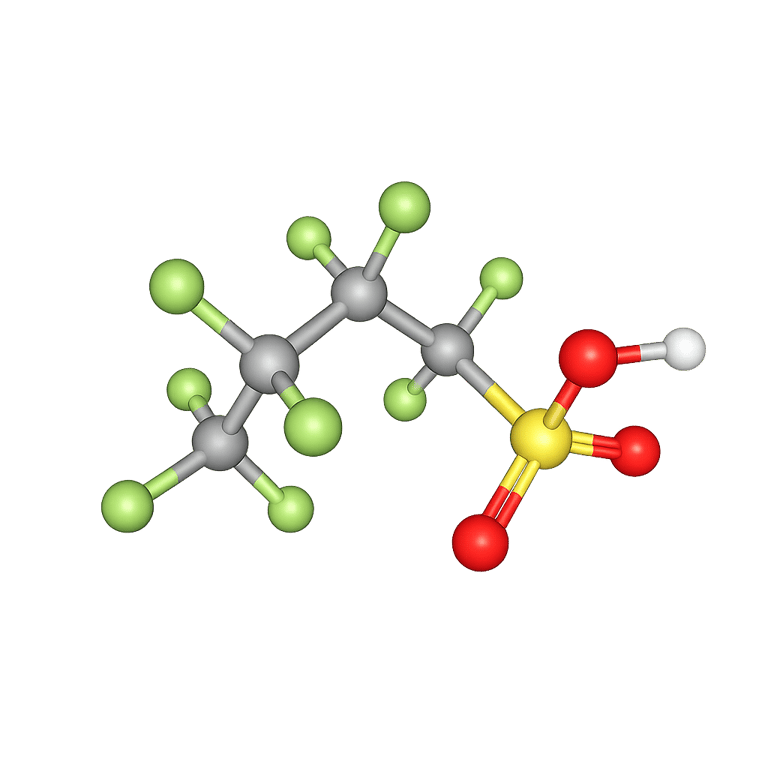
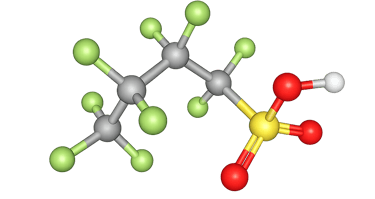
Definition Classed as C4 to C6

Water Soluble?
More mobile and soluble in water than long chain, leading to wider environmental spread. They are also more difficult to remove from contaminated water using traditional methods like activated carbon filtration.

Toxicity
Less bioaccumulative than long chain, but still pose health risks.

Common Examples
i) Hydrophobic coatings across multiple industries PFBA;
ii) Fire fighting foams and concentrates - 6:2 FTAB;
iii) Metal plating industry 6:2 FTS; and
iv) Paper and packaging - PFBS.
Long Chain
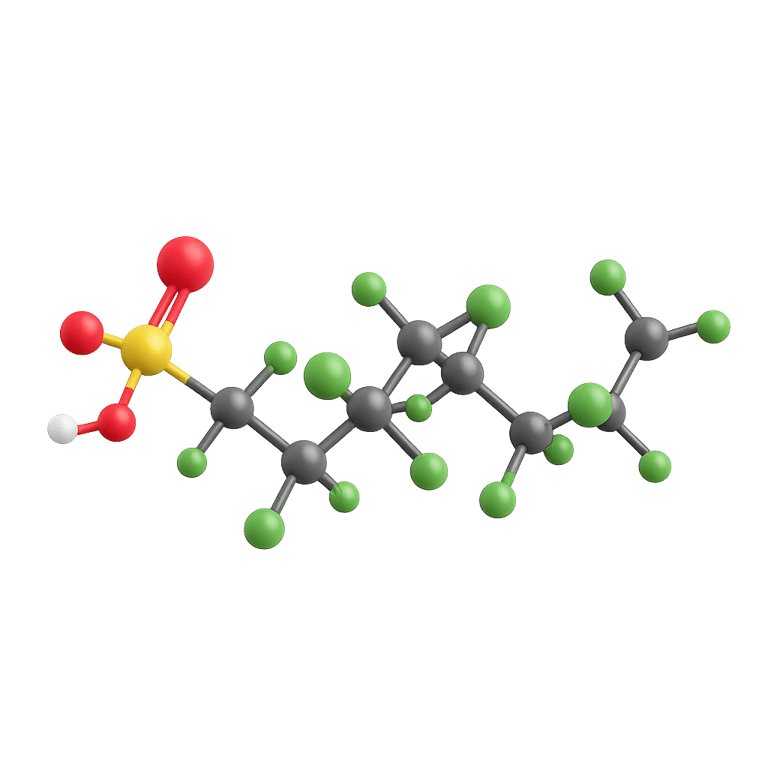
Definition Classed as C7 to C12

Water Soluble?
Less soluble in water and more likely to accumulate in specific areas. They tend to bind strongly to organic matter in soil and sediment.

Toxicity
Highly toxic. Exert toxicity by binding to proteins, altering their structure and function.
Common Examples
i) Hydrophobic coatings across multiple industries;
ii) Legacy Fire fighting foams & concentrates;
iii) Metal plating; and
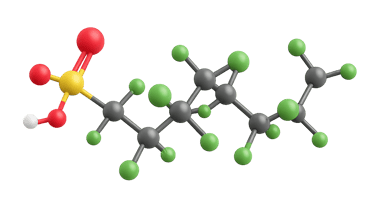
iv) Include PFOA (perfluorooctanoic acid) and PFOS.


PFAS Regulatory
PFOS and PFOA (which would include AFFF firefighting foams) are already banned in most countries, with wider PFAS restrictions to follow.
Industries such as chemical manufacturing, metal plating, petroleum refining, and the military face significant challenges due to these evolving regulations.
These sectors that are already grappling with costly PFAS-related litigation, now face a slew of stricter directives to manage ongoing waste discharge and groundwater contamination, critical for maintaining regulatory compliance and public trust.
This regulatory pressure has amplified the demand for effective PFAS treatment solutions. Furthermore, new regulations in the UK, USA, France and EU have also imposed stricter limits on PFAS in drinking water.
After capture, the current method of disposal of PFAS waste currently requires costly, specialist, high temperature incineration.
As new legislation has come in limiting the use of PFAS, the limited incineration capacity has caused costs and lead times to triple. There are also questions about the efficacy of incineration and its further cost to the environment.


Get in Touch
Address
London, United Kingdom
Copyright © 2026 PFAS UK. All rights reserved.
Policies
Useful Links